Wave Disc Blades for Vertical Tillage, No-Till Drills & Planters
Wave Disc Blade — Rippled / Fluted Disc for Vertical Tillage and No-Till Drills
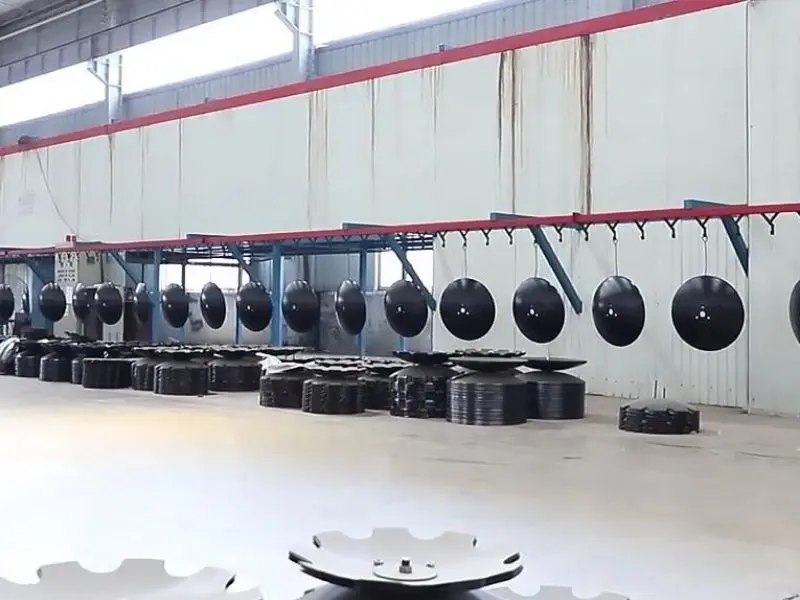
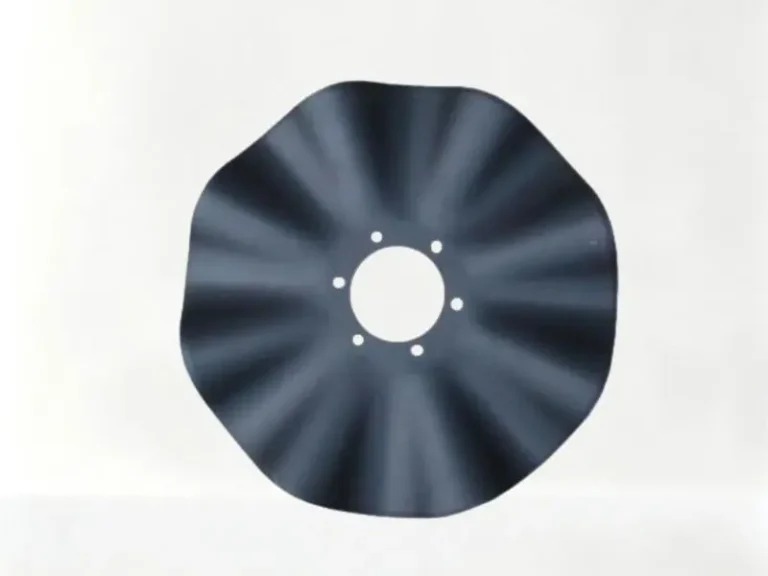
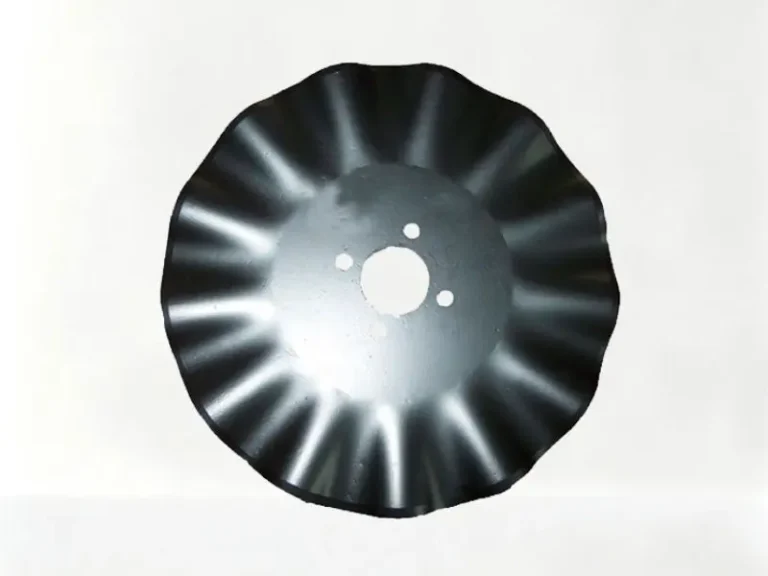
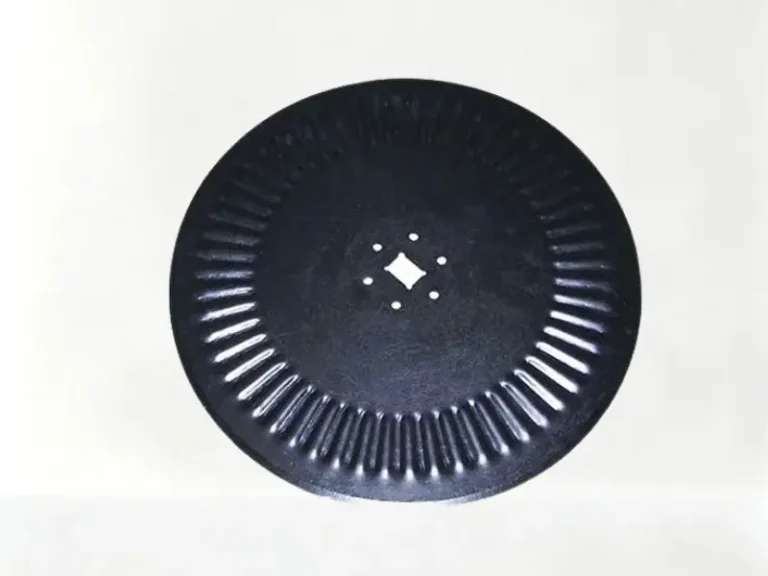
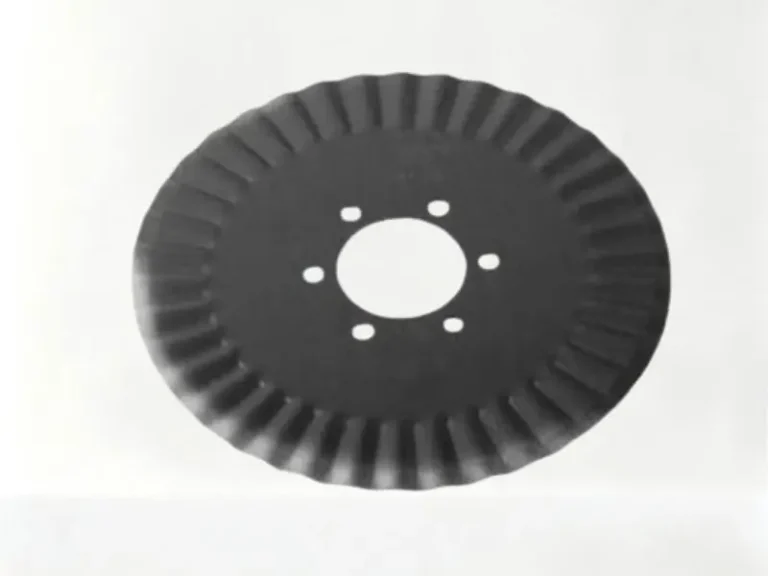
This is a wave disc blade (also called a rippled or fluted disc): the edge runs in waves instead of a straight line, and the plate is fluted from the centre outwards. The wavy edge grips and slices residue and lifts it into smaller pieces, while the shallow plate keeps lateral soil movement low. The result is fast residue sizing with most of the stubble left on the surface, instead of being turned under.
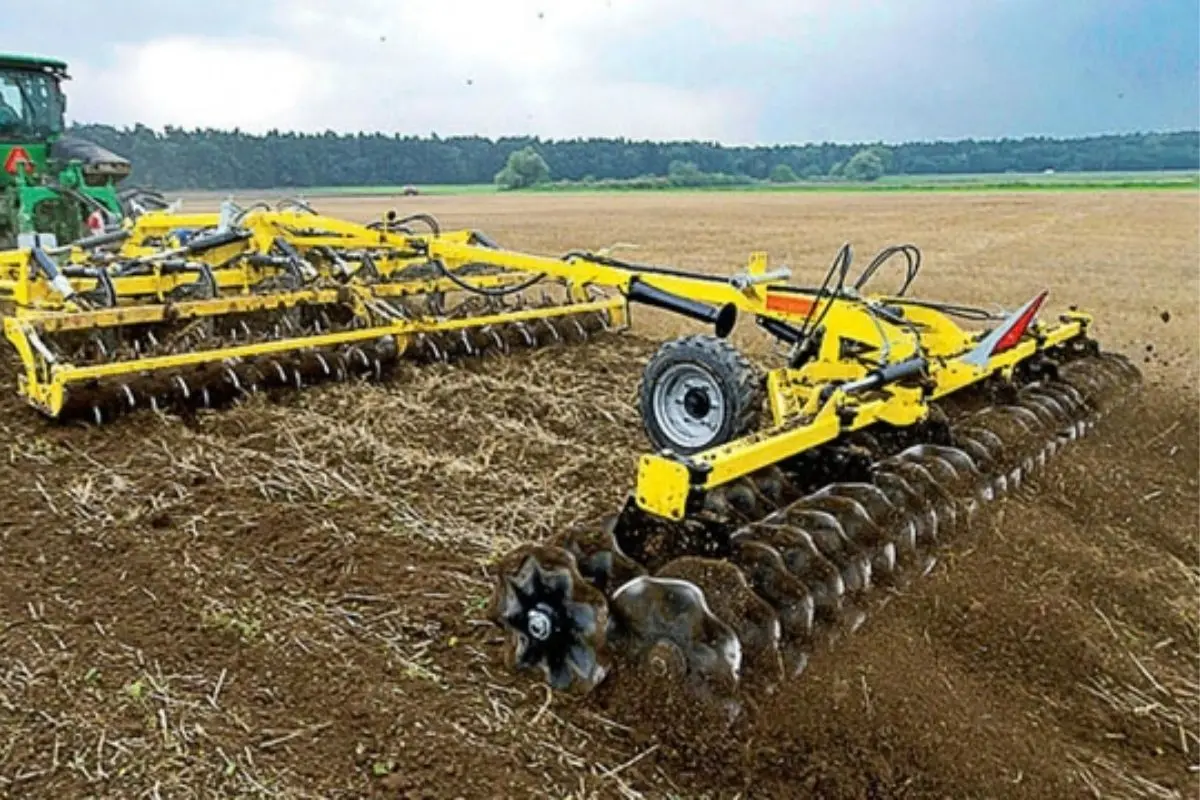
Specification:
| Disc Diameter | Thickness | |
| mm | inch | mm |
| 355 | 14 | 3 |
| 410 | 15 | 3 |
| 430 | 17 | 3/4 |
| 460 | 18 | 3/4 |
| 480 | 19 | 3/4 |
| 510 | 20 | 3/4/5 |
| 535 | 21 | 3/4/5 |
| 560 | 22 | 4/5/6 |
| 585 | 23 | 4/5/6 |
| 610 | 24 | 4/5/6 |
Where a wave disc blade is used?
– Vertical tillage tools — the main application: shallow, high-speed residue sizing
– No-till and minimum-till drills — 6-wave, 8-wave and 13-wave coulters
– No-till planters — fluted coulters and residue-manager discs
– Residue management and mixing on combined tillage implements
Wave count changes the job
The more waves a blade carries, the more it tills and fluffs the soil; fewer waves give minimum soil disturbance. Low-wave blades (6-wave) suit cover crops and conventional seeding; 8-wave, often with notches, gives aggressive residue slicing at low disturbance; 13-wave in a 20″ blade is the common general-purpose choice on vertical tillage machines.
Flat, notched or wave — how to choose
– Flat (smooth) edge: cuts and levels with minimal side throw — softer or already-worked soil
– Notched edge: grips and cuts in hard soil and heavy residue, with more soil movement
– Wave / fluted edge: sizes residue at speed with limited soil movement — vertical tillage and no-till seeding
Diameter, thickness and hole pattern must all match the gang you are servicing; the edge profile decides the job the blade does.